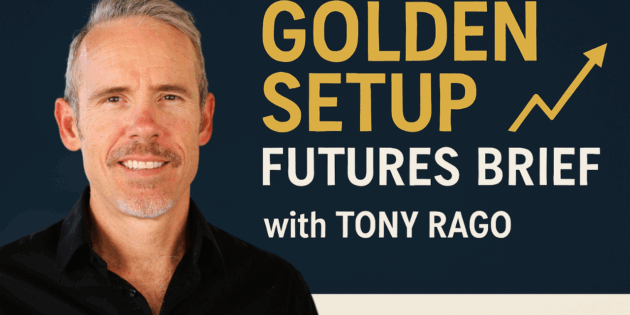

Hello TheoTrader,
6,300 jumps.
That's how many times I threw myself out of an airplane with a camera strapped to my head, free-falling at 120 miles per hour to capture someone else's once-in-a-lifetime moment.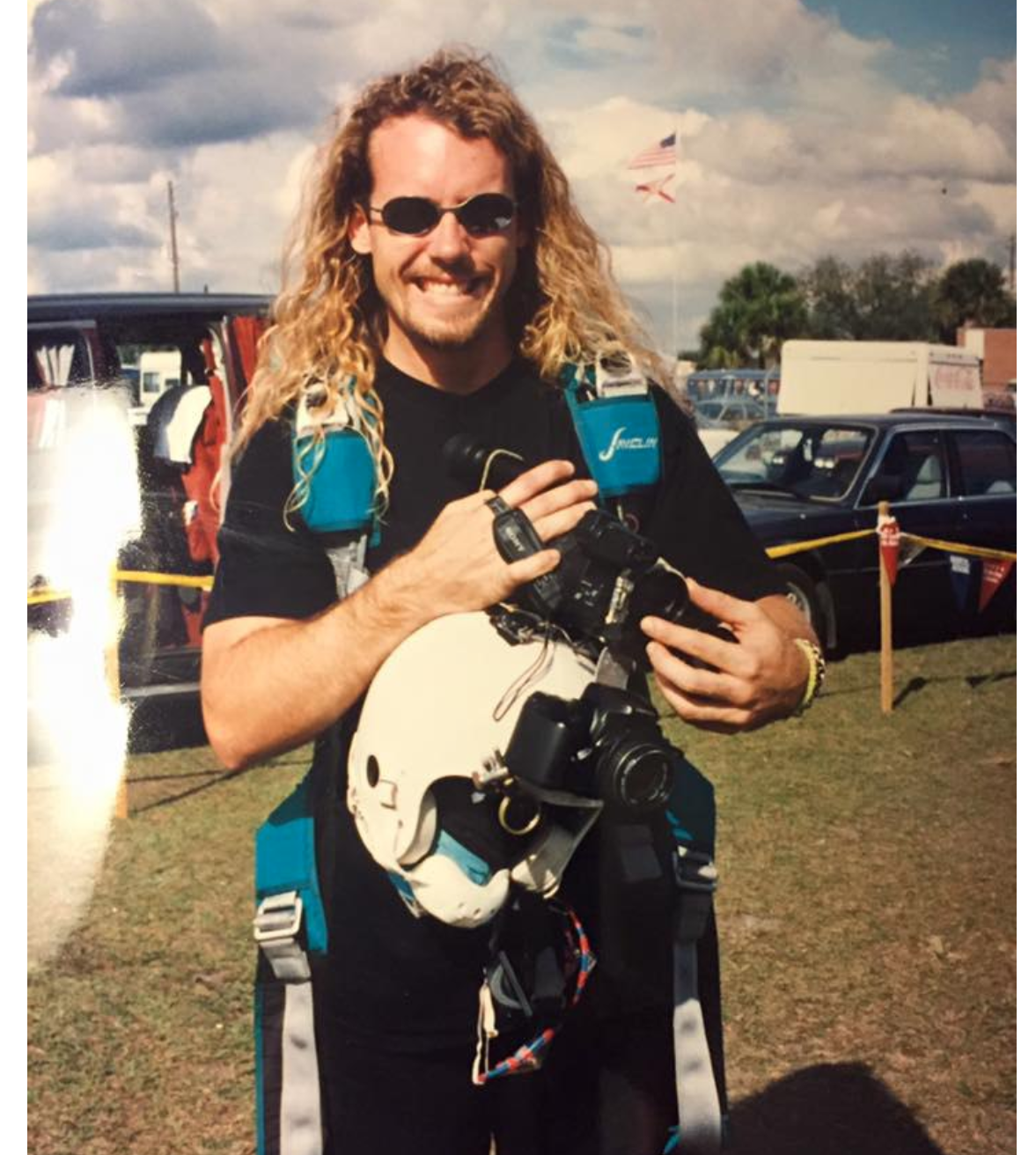
Some people heard that number and thought I was crazy. But here's what they didn't understand: by jump 6,000, it wasn't about the adrenaline anymore.
It was about the process.
The 10-Second Decision
Every skydive comes down to about 10 seconds of critical decision-making.
Exit altitude. Wind conditions. Formation positioning. Camera angles. And most importantly – when to break off and pull.
You can't hesitate. You can't second-guess. By the time you realize you've made a mistake, you're already in it.
But you also can't rush. The jump happens whether you're ready or not, and forcing it never ends well.
I learned this doing 10 jumps a day in Chicago – sometimes 50 in a week. Living out of a camper van between dropzones as I traveled up and down the coast. Making a few thousand dollars weekly doing something most people couldn't imagine as a career.
Even landed on HBO at one point. Still feels surreal to say that.
The Grounding
Then 9/11 happened, and everything changed.
The aviation industry shut down. The skydiving industry went quiet. And for the first time in years, I was forced to consider what came next.
A friend of mine had been doing well in the markets. Real well. He introduced me to trading, and something clicked. This wasn't that different from what I'd been doing 10,000 feet in the air – reading conditions, making quick decisions, managing risk.
I ended up working as an investment banker during a Nasdaq IPO. But I wanted something different. I wanted to day trade so I could spend more time with my wife without sacrificing income.
So I went to the CME – the Chicago Mercantile Exchange – and found a trader willing to show me patterns on the ES futures.
But here's where it gets interesting: those patterns worked even better on the Nasdaq. Much better.
That's when I started refining what would eventually become the Golden Setup.
What Falling Taught Me About Trading
Here's what 6,300 jumps taught me that no trading book ever could:
The conditions tell you everything.
In skydiving, you check the winds before every jump. Too gusty? You wait. Clouds too low? You wait. Equipment not feeling right? You definitely wait.
In trading, the tape tells you the same story. Earlier this week, we had end-of-quarter price action – choppy, non-committal, no clear direction.
Multiple setups appeared that technically met our criteria. But the risk was greater than the reward based on how the tape was acting.
We executed zero trades that day. Capital preserved: 100%.
Some traders see that as missing out. I see it as the process working exactly as intended.
The best opportunities require perfect preparation.
The very next session after that choppy end-of-quarter tape, the market gave us exactly one Golden Setup.
9:50 AM. Right at the daily low. Right at the weekly pivot level we'd identified in our Pre-Market Playbook before the bell even rang.
One setup. One entry. $620 profit. The market never looked back.
This is what thousands of jumps taught me: when all your criteria align – wind speed, altitude, formation position, visibility – that's when you go. No hesitation. No second-guessing.
That Golden Setup appeared for maybe 30 seconds. Traders who were ready, focused, and trusted the process captured the low of the day. Everyone else watched it launch without them.
You can't force it.
As a kid, I was big into BMX racing. Pure aggression and power. Then came skydiving – thousands of jumps where I learned that forcing anything in the air gets you hurt.
Now trading. Same lesson, different arena.
Later that same week, we found a key level at 25026. It gave us three clean Golden Setups, each one hitting first profit target for $140. But after multiple tests of that same level, I stepped aside.
The level had given everything it could. The opportunity was exhausted. Forcing more trades on an overworked level – even if the criteria technically still appeared – that's how consistent traders become inconsistent ones.
The Arena Changes, The Mindset Doesn't
I joined TheoTrade back in 2016, and people often ask me what separates traders who make it from those who don't.
It's not intelligence. It's not capital. It's not even work ethic.
It's the willingness to respect the process even when every instinct tells you to force the action.
Whether you're exiting an aircraft at 14,000 feet, standing at the starting gate of a BMX track, or watching the market test a key level for the fourth time – the same principles apply:
Trust your preparation. Execute when conditions align. Walk away when they don't.
I've built my life around seeking out new challenges. Each time starting over as the rookie. Each time learning that success isn't about conquering the environment – it's about reading it, respecting it, and acting decisively when it shows you what you're looking for.
The market opens again Monday.
Another opportunity to read the tape, trust the process, and take the setup when everything aligns.
Just like that moment at 14,000 feet, right before you commit.
Tony Rago
Creator of the Golden Setup