

Remember last year, when Jamie Dimon jumped on the bond market liquidity bandwagon and warned that harrowing bouts of flash crashing madness like what unfolded in October of 2014 with USTs were likely to happen with increased frequency? As a reminder, here's what he said:
"Treasury markets were quite turbulent in the spring and summer of 2013, when the Fed hinted that it soon would slow its asset purchases. Then on one day, October 15, 2014, Treasury securities moved 40 basis points, statistically 7 to 8 standard deviations – an unprecedented move – an event that is supposed to happen only once in every 3 billion years or so (the Treasury market has only been around for 200 years or so – of course, this should make you question statistics to begin with). Some currencies recently have had similar large moves. Importantly, Treasuries and major country currencies are considered the most standardized and liquid financial instruments in the world."
Well not anymore. The notion that traders can safely put on positions based on historical levels of vol went out the window back in 2007. The Fed and other DM central bankers thought they could stamp out volatility once and for all in the same way they're convinced they can smooth out the business cycle with excessive and exceedingly grandiose policy levers.
But as we've seen lately with a series of bizarre Japanese POMO auctions gone strangely awry, and as we witnessed during last summer's bond bloodbath...
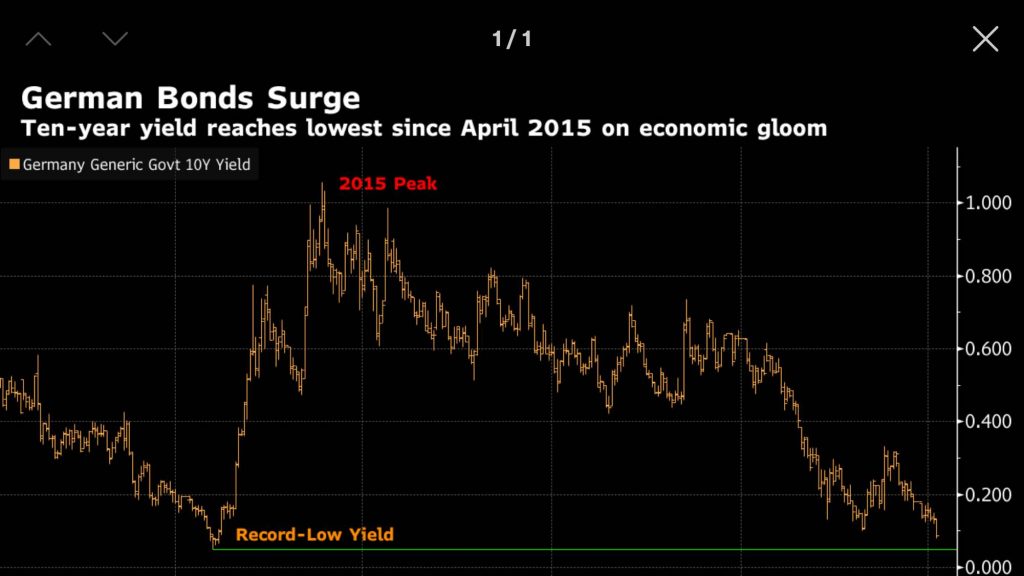
(Chart: Bloomberg)
...and who could forget the abandonment of the franc peg which rippled through fx markets like an angry black swan. Here's a great look at the increasing preponderance of what should - statistically speaking - never happen. Here's a classic example from Citi which shows just how alarmingly prevalent this is becoming.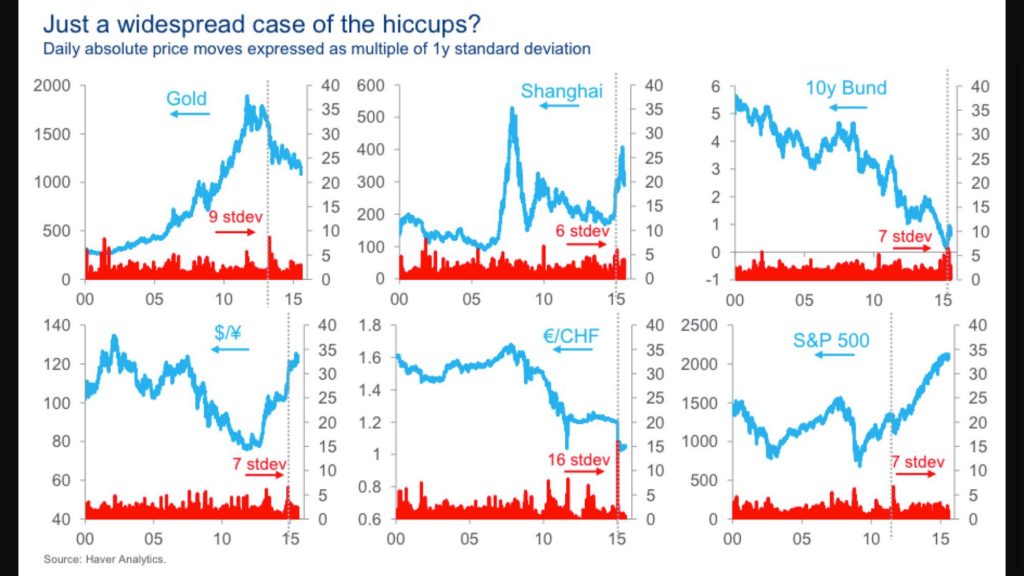
As you can see, things that should be happening, well, never, are par for the proverbial course.
Now obviously if you can see these things coming you can make a killing. But just as we mentioned on Tuesday, there's an eerie calm running through markets ahead of two exceptionally important political events. Clearly, dollar vol hasn't mirrored what we're seeing in the pound:
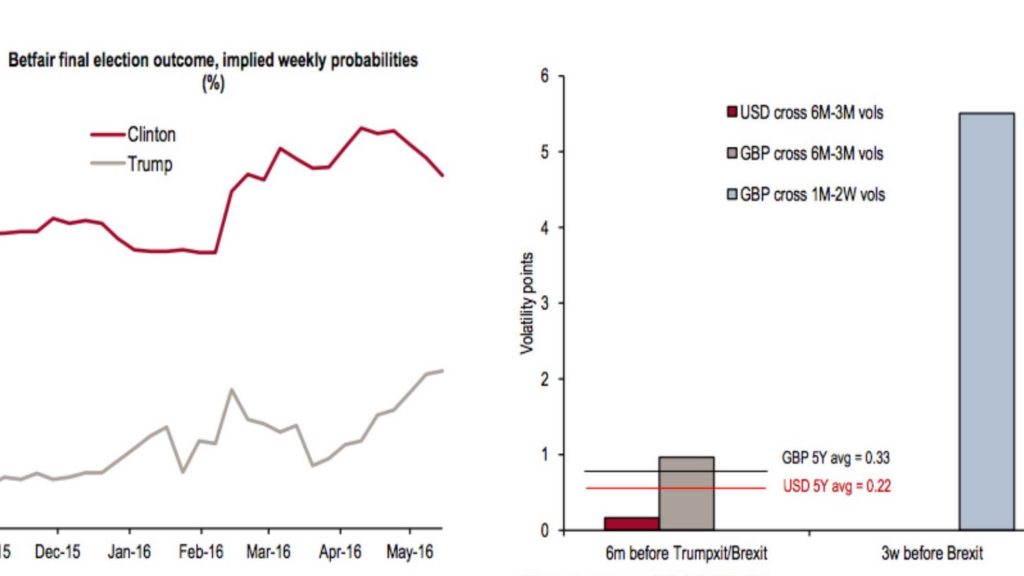
(Charts: Credit Suisse)
On Wednesday, Goldman is out with a fresh warning on volatility and the dangers associated with increasingly correlated assets
Here' Bloomber outlining Goldman' stake on the dangers ahead given cross asset correlation and what certainly looks like a false sense of security on the VIX:
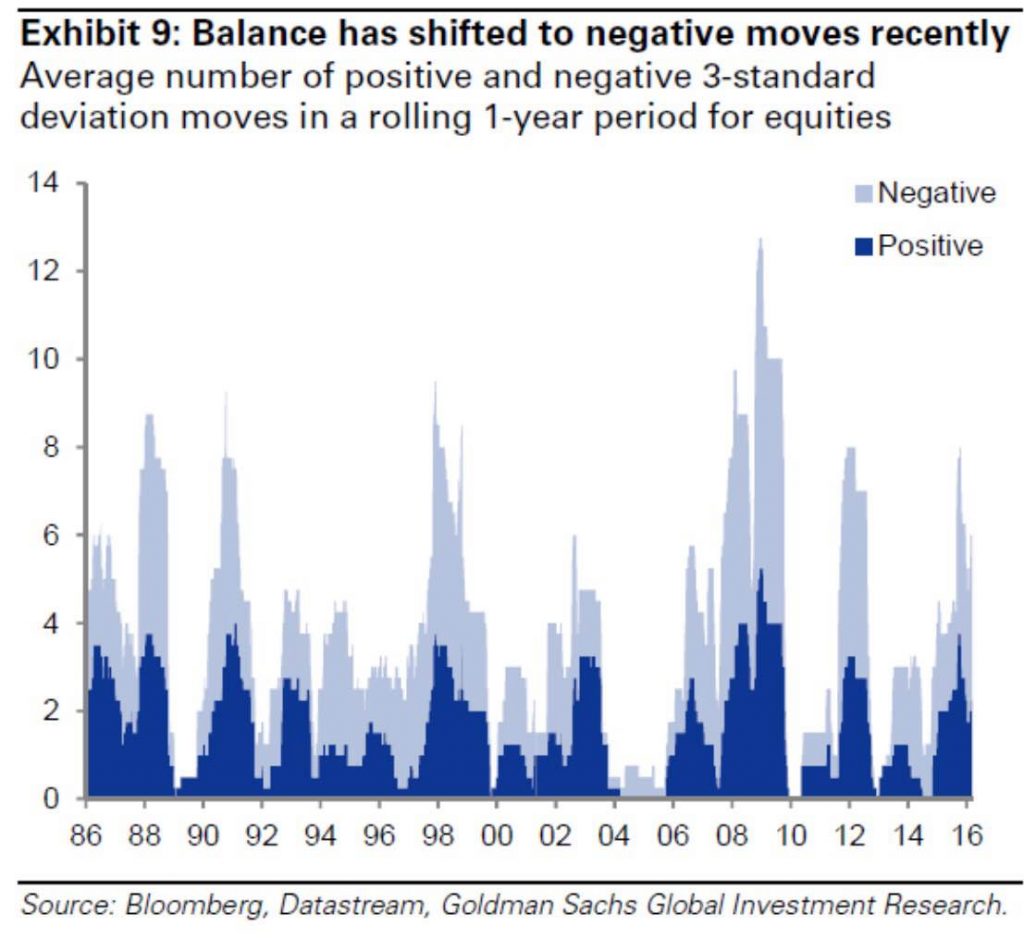
..."Goldman Sachs Group Inc. Managing Director Christian Mueller-Glissmann, who highlights that selloffs in excess of 20 percent for major courses occur relatively frequently and recently have been brought about by concerns of a global nature. With a possible Brexit, the U.S. presidential elections, and a Fed that appears committed to continuing to lift policy rates, this level of event risk is certainly on the table.
"He adds that the calm implied by the low levels of the Chicago Board Options Exchange Volatility Index belies the fragility of markets, which have become more susceptible to abrupt declines.
And here's the kicker:
"The especially bad news for investors is that it's harder to hedge against such a drawdown.
"During the S&P 500 drawdowns in August 2015 and at the beginning of 2016, bonds provided a less effective hedge with monthly returns of a standard 60/40 portfolio dipping to -5 percent, much larger."
Don't believe Goldman? Just ask Ray Dalio how "All Weather" performed last fall.