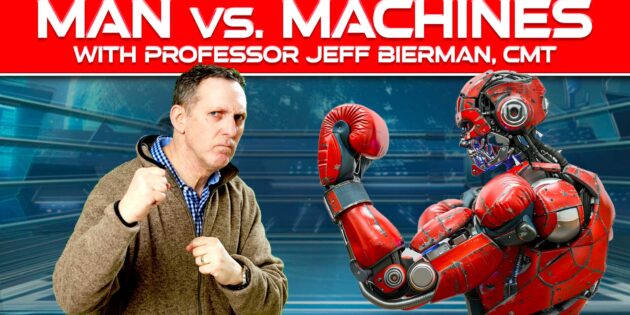

You are watching the market grind higher every day and wondering why your gut says something is wrong.
The charts look fine…
The algorithms keep buying…
Every dip gets bought within hours…
But underneath the surface, the American consumer is sending a distress signal that the machines refuse to process.
And when that signal finally hits price, you will not get a warning.
400,000 Americans signed contracts to buy homes in December. Within 25 days, half of them walked away.
Once they opened their budgets, they realized they could not make the math work.
Wall Street is ignoring this data. It’s the liquidation catalyst hiding in plain sight.
The Ultimate Wealth Product
A house is not a car. It is not a diamond ring.
It is the single largest purchase most Americans will ever make. When half of them cannot close, something has broken beneath the surface.
These buyers did not get cold feet over paint colors. They sat down with their monthly expenses and went line by line:
- Heating bills up 15% to 20% this winter
- Health insurance premiums climbing
- Grocery costs that refuse to come down
- Gas prices squeezing what remains
One in five Americans cannot afford their heating bill this winter. That is 20% of the country choosing between warmth and other necessities.
The people trying to buy homes ran the same math. They came up short.
Yet the market keeps levitating. Individual stocks keep making new highs. How is this possible when the consumer is clearly struggling?
The answer is simple. The market is not run by people. It is run by machines.
Algorithms do not react to housing cancellation data. They do not care that families cannot close on homes. They buy on pattern recognition and order flow. Everything else gets ignored.
People would look at this data and lighten up. Machines do not.
But here is the thing about machines. They respond to order flow. And order flow comes from people eventually.
The Liquidation Drain
Consider what happens next.
An entire generation watched their stock portfolios and crypto accounts surge. They made a fortune on paper. They still cannot buy a house.
At what point do they start cashing out?
At what point does someone look at their brokerage account and say: I have made enough. I am taking this money out to make the down payment.
That decision, multiplied by millions of frustrated buyers, creates what I call a liquidation drain. Capital leaves the stock market not because of fear. It leaves because people need it for something real.
The algorithms will not see it coming. They will keep buying the dip until the selling overwhelms them. Then they cancel all bids and let it crash. Just like they did with United Healthcare.
Here is a fact I want you to sit with. In the last 93 years, the market has suffered a minimum 10% correction every two years. Every four years, it corrects at least 25%.
The anniversary of the last major correction is approaching in April.
Probabilities do not care about your bullish thesis. Eventually your number comes up. When it does, the same people who could not afford a house will be the ones selling stock to survive.
The wealth effect works in reverse too.
The algorithms see price and volume. They do not see 200,000 families who just admitted they cannot afford the American dream.
That admission matters. It tells you the consumer is stretched. It tells you the next leg down has fuel behind it. It tells you that when sentiment shifts, the selling will come from necessity rather than fear.
Necessity selling does not bounce. It accelerates.
This is exactly why I built the Genesis COG System. The algorithms ignore macro stress until it overwhelms them. I do not.
The system tracks institutional money flow, identifies when momentum breaks before price confirms it, and spots the exact moments when fundamentals finally force the machines to react.
It caught the United Healthcare collapse.
It identified the warning signs in financials before they rolled over.
When the liquidation drain begins, you will not have time to react. The move will gap and leave anyone positioned wrong staring at losses they cannot exit.
See how the Genesis COG System identifies when macro catalysts break through algorithmic noise →
Professor Jeffrey Bierman
Creator of the Genesis COG System