
Thousands of fund managers just told Bloomberg they're ramping up long positions on stocks they know are overvalued.
Read that sentence again.
These Wall Street "geniuses" openly admitted they're buying more of what they know is overpriced. They're panic-chasing performance because they're behind the S&P 500.
This is reckless abandon at its finest. Today's Fed decision will expose who's been swimming naked.
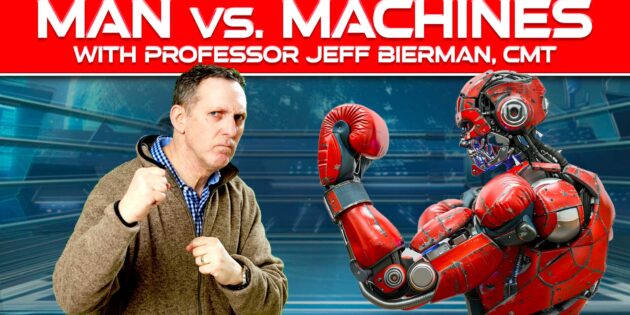
Here's what the algorithms are actually doing while retail traders guess which direction Powell will take us...
Why I Never Step in Front of Fed Days
After 38 years of trading, I learned one critical lesson about Fed announcements. You can't handicap them. Period.
Run every scenario through your head. They cut 25 basis points? Already priced in. Market tanks on "buy the rumor, sell the fact."
They surprise with 50 basis points? Market could rally 500 points because it wasn't expected. Or it could crash because traders think, "What does the Fed know that we don't?"
They don't cut at all? You won't get out. The market will be down 300-500 points before you blink.
This is why I trade individual stocks, not the S&P 500. I despise that product. Nobody knows how to price 500 stocks bundled together. It's a joke.
The only smart play today is buying a straddle and praying for 80-90 point moves in either direction. Don't pick direction. Pick volatility.
The Beta Warning System Algorithms Actually Use
Most traders think beta is just academic noise. Wrong.
Beta is systematic risk measurement. It's how algorithms calculate momentum potential before they even look at charts.
Tesla's beta sits at 1.9 right now. That means if the S&P drops 2%, Tesla loses 4%. Simple multiplication. The algorithms know this and position accordingly.
But here's what retail misses: It's not the beta number that matters most. It's the trend of the beta.
When beta increases while price climbs, momentum accelerates. Don't short those names. You'll get destroyed.
When beta peaks and starts declining, the algorithmic buying programs shut down. That's your exit signal.
Microsoft currently shows a beta of 1.0. Exactly the same risk as the market. Why pay a money manager to pick stocks when you could just buy the S&P at one-third the cost?
The ATR Signal That Predicts Momentum Breaks
The Average True Range indicator doesn't predict direction. It maps volatility patterns.
Microsoft's ATR shows $7.80 daily movement expectations. That's the stock's current voltage. The algorithms use this to calculate position sizing and risk parameters.
But watch the trend. When ATR compresses during uptrends, algorithmic buying programs maintain control. When ATR suddenly pops from oversold conditions, momentum breaks.
I've seen this pattern destroy countless traders. They think declining volatility during rallies is bearish. It's not. It's algorithmic efficiency.
The danger comes when volatility explodes higher. That breaks the hypnotic buy programs running these artificial rallies.
Why October 1st Changes Everything
Algorithms maintain strict programming through September 30th. Quarter-end performance metrics control their behavior.
They refuse to initiate major selling programs during the final weeks of any quarter. This explains why markets ignore every logical reason to decline.
October 1st arrives and programming parameters change instantly. No more quarter-end constraints.
The same machines propping up this market will accelerate the selling when margin calls start.
The Three Students Who Asked the Wrong Questions
Walking out of class Monday, three Loyola students asked me for trading advice. One about crypto. One about stocks. One about the S&P.
This is the Joseph Kennedy moment. When college students start asking professors how to position around Fed meetings, you know we're in a massive bubble.
Half the world sitting in 401(k)s will get crushed when this unwinds. When it really blows, it won't come back for years.
Position for What's Coming
I'm sitting split. Eight short positions. Nine long positions. The market tanks? I make money on shorts. Market rallies? I make money on longs.
Don't pick sides on Fed Day. Hedge yourself. Split the difference.
The moment of truth isn't about guessing Powell's decision. It's about positioning for the aftermath when algorithmic momentum breaks.
The Genesis Cog system tracks the same institutional footprints these algorithms follow.
We focus on individual stock momentum patterns that survive Fed volatility. Risk management first. Returns second.
When the selling starts, you want to be positioned before the machines change direction.
Get access to the Genesis Cog system before volatility explodes.
Professor Jeffrey Bierman
Creator of the Genesis COG System